Why Japanese Hybrid Cars Dominate Global Exports in 2025 | IV Motors Japan

As the global automotive market continues to shift toward fuel-efficient and eco-friendly vehicles, one category has surged ahead of all others—Japanese hybrid cars. In 2025, Japan remains the world’s most reliable and in-demand source for hybrid vehicles, exporting millions of units to buyers in Africa, Asia, the Middle East, Europe, North America, and beyond. Known for their unmatched fuel economy, long-term durability, and low maintenance costs, Japanese hybrid cars dominate both private and commercial export markets.
From industry giants like Toyota, Honda, Nissan, and Lexus to more premium hybrid options, Japanese automakers have built a level of trust and consistency that continues to shape the global demand for hybrid units.
This blog breaks down — in detail — why Japanese hybrid cars dominate the export market in 2025 and why international buyers prefer them over hybrid models from any other country.
🌍 Global Demand for Japanese Hybrid Cars in 2025
In 2025, global fuel prices have continued to rise, largely due to energy shortages, unstable geopolitical conditions, and countries adopting stricter emissions regulations. As a result, customers now prioritize:
- Fuel savings
- Lower maintenance costs
- Eco-friendly driving
- High reliability
- Long-term durability
Japanese hybrids offer all these benefits — making them the preferred choice for both private buyers and commercial fleet owners around the world.
Countries such as Kenya, Tanzania, Uganda, Pakistan, Bangladesh, UAE, Saudi Arabia, New Zealand, and the UK continue to import Japanese hybrid vehicles at increasing rates due to their long lifespan and affordable operational cost.
🔌 What Makes Japanese Hybrids Better?
While hybrid models exist from many manufacturers worldwide, Japanese hybrid technology still leads the market. This is due to several key strengths:
1️⃣ Proven Hybrid Technology
Japan pioneered hybrid technology in 1997 with the launch of the Toyota Prius. Over 25 years later, Japan’s hybrid systems remain far ahead in terms of:
- Battery performance
- Regenerative braking systems
- Fuel efficiency optimization
- Durability under extreme climates
- Reliability of long-life engines
The result? Japanese hybrids offer the lowest failure rates in the world.
2️⃣ Exceptional Fuel Economy
Fuel prices are at all-time highs in many countries, making fuel savings more important than ever. Japanese hybrids consistently deliver:
- 20–30 km/L for sedans
- 18–25 km/L for SUVs
For markets where fuel costs are a burden, such as in Africa, South Asia, and the Middle East, these savings are highly valuable over long-term ownership.
3️⃣ Low Maintenance & Affordable Parts
Japanese hybrid cars are built to minimize maintenance costs. Their hybrid drive systems reduce the strain on the engine and transmission, resulting in:
- Longer engine life
- Less wear on mechanical parts
- Lower servicing costs
- Widely available spare parts globally
Even hybrid batteries now last longer — many exceeding 250,000 km without issues. Replacement batteries are also more affordable than before.
4️⃣ Reliable for Harsh Roads & Hot Climates
Markets like Africa, Middle East, and South Asia have high temperatures and challenging road conditions. Japanese cars are engineered for:
- High heat resistance
- Dust-heavy environments
- Bumpy and unpaved roads
- Rough daily use
This rugged engineering gives Japan-made vehicles a major advantage over their Western counterparts.
🔥 Top Japanese Hybrid Models in Demand (2025)
Some of the most in-demand Japanese hybrid exports in 2025 include:
- Toyota Prius
- Toyota Corolla Hybrid
- Toyota Harrier Hybrid
- Toyota C-HR Hybrid
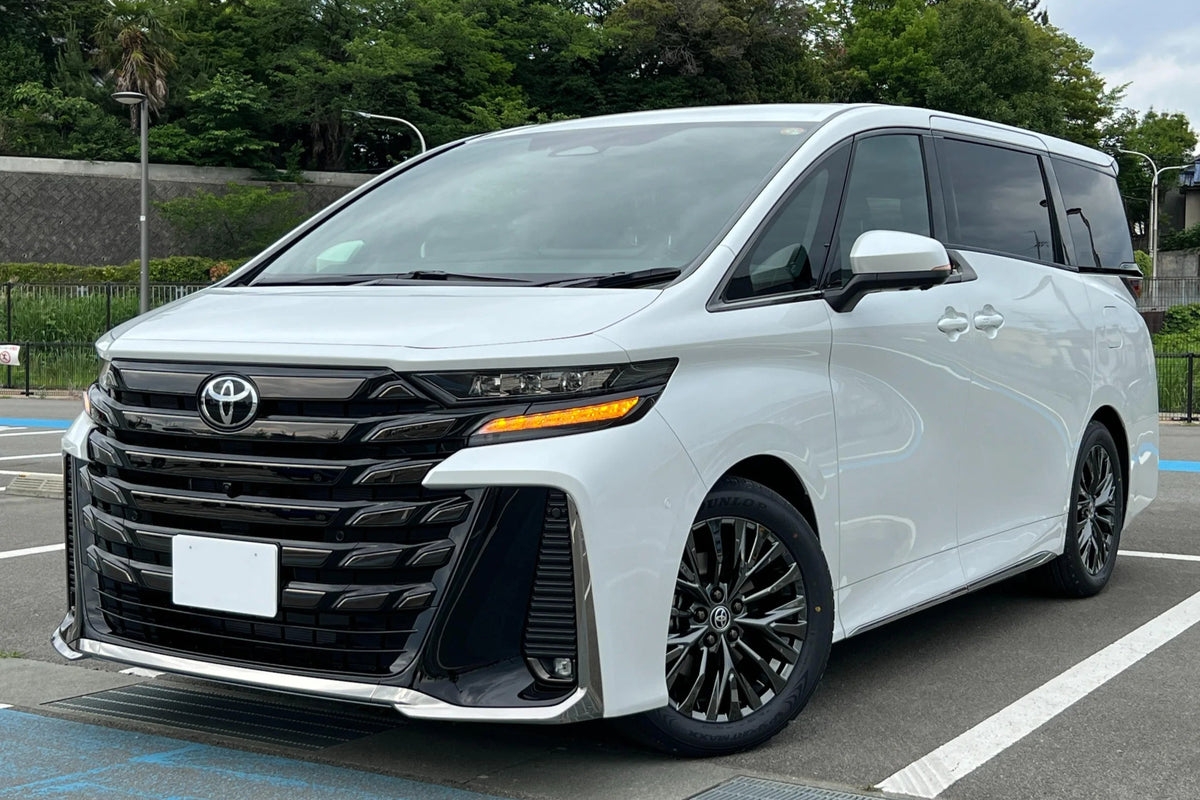
- Toyota Voxy / Noah Hybrid
- Honda Fit Hybrid
- Honda Vezel Hybrid
- Nissan Note e-Power
- Lexus RX / NX / UX Hybrid
These models dominate auctions and export yards because they offer unbeatable value for money.
💡 Why Buyers from Africa Prefer Japanese Hybrids
Africa has become one of Japan’s strongest hybrid export markets. Countries like Kenya, Tanzania, Uganda, Zambia, and South Africa prefer Japanese hybrids because:
- They consume less fuel
- They are easier to maintain
- Parts are cheap & widely available
- They survive tough road conditions
- Hybrid batteries last long even in hot climates
For taxi and Uber drivers, hybrids like the Prius or Fit Hybrid reduce daily operating costs significantly.
🏙 Why Asian Buyers Choose Japanese Hybrids
Middle-income families in Pakistan, Sri Lanka, Bangladesh, and Nepal prefer Japanese hybrids for their:
- Budget-friendly fuel consumption
- Comfortable driving
- Long-term durability
- High resale value
In 2025, hybrid cars in these markets are selling faster than any other category.
🏜 Why Middle East Buyers Choose Japanese Hybrids
Despite cheap fuel, buyers in UAE, Oman, and Saudi Arabia now prefer hybrids because:
- They reduce long-term fuel expenses
- They are better for the environment
- Governments offer incentives for hybrid imports
Luxury hybrid SUVs like Lexus RX450h and Toyota Harrier Hybrid are especially popular.
🚢 Why Japanese Hybrids Are Easy to Export
Hybrid cars from Japan are incredibly easy to export for several reasons:
- Auction availability with verified history
- Accurate odometer and grade sheets
- Strict inspection rules (means high quality)
- Affordable RORO and container shipping options
- Export-friendly documentation system
The Japanese automotive system ensures transparency — which international buyers trust.
📦 RORO or Container? Best Shipping Method for Hybrids
Most hybrid exports are shipped using these methods:
RORO Shipping
- Cheaper
- Fastest shipping method
- Ideal for running hybrid cars
Container Shipping
- Safer for premium hybrid units
- Ideal for luxury hybrid SUVs
- Allows multiple cars in one container
Depending on the destination and value of the car, exporters choose the most suitable shipping option.
📈 The Resale Value Advantage
Japanese hybrid cars are known for having extremely strong resale value in almost every country. Even after years of use, models like Prius, Vezel, and Note e-Power remain in high demand.
This makes them a smart investment for dealers, taxi companies, and personal buyers alike.
🏁 Final Word
In 2025, Japanese hybrid cars continue to dominate the global export market due to their proven reliability, outstanding fuel efficiency, strong resale value, and advanced hybrid systems. Buyers worldwide trust Japanese brands for their consistency, build quality, and long-term performance — making Japan the No.1 source of hybrid vehicles internationally.
At IV Motors Japan, we export a wide range of hybrid vehicles — from sedans to SUVs — to customers across Africa, Asia, the Middle East, Europe, and beyond. Whether you’re looking for a budget hybrid or a luxury model, we source, inspect, and ship the best cars from Japan with full transparency and global delivery support.
Looking to import a Japanese hybrid car in 2025?
Contact IV Motors Japan today for a fast quote and export assistance.

